Table Of Content
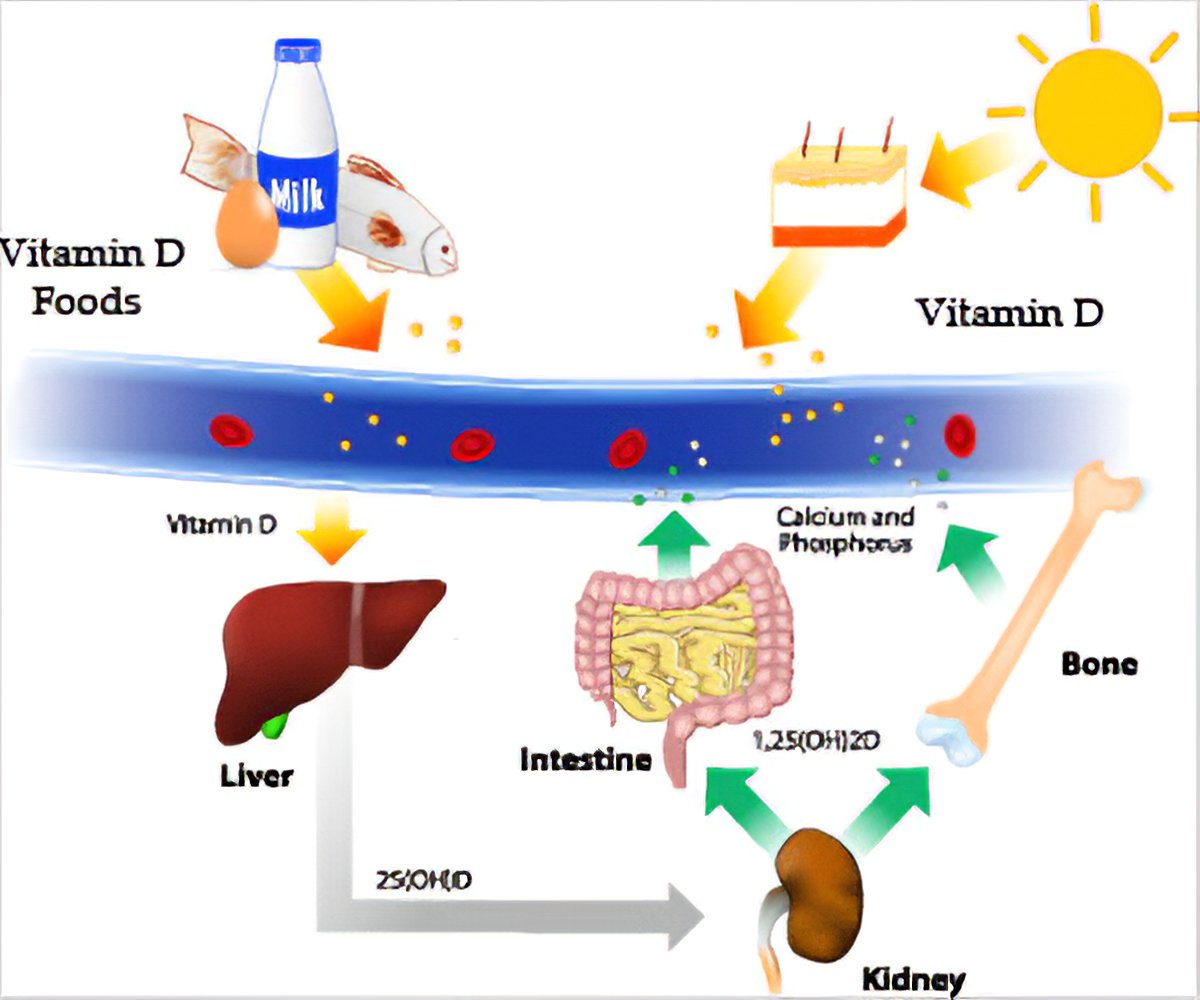
Vitamin D is a group of fat-soluble vitamins that plays a role in many biological processes. The good news is that thanks to vitamin D-fortified infant formula and fortified cow’s milk, rickets is very uncommon in the United States. Children with a mild vitamin deficiency may just have weak, sore and/or painful muscles. Approximately 35% of adults in the United States have vitamin D deficiency. About 1 billion people worldwide have vitamin D deficiency, while 50% of the population has vitamin D insufficiency. Anyone can have vitamin D deficiency, including infants, children and adults.
Can vitamin D supplements cure hair loss?
However, a large 2017 review found that this association was inconsistent across other similar studies. A 2019 review of 25 studies found that vitamin D supplementation helped reduce the risk of respiratory tract infections. It was even more beneficial for people with a blood concentration of less than 25 nmol/l, or very low levels of vitamin D. Thompson et al. evaluated the association between AA and vitamin D in a prospective study. Survey data encompassing lifestyle and medical history from 55,929 women in the Nurses’ Health Study were investigated.
Vitamin C and Iron Absorption
Fortification continues to this day and whole milk is always a good source of vitamin D, though one glass is not enough to meet the RDA. Plant-based alternative milks such as oat, soy, and almond are also fortified, as are orange juice, breakfast cereals, baby food, flour, and edible spreads like margarine. The list of foods that are high in vitamin D is relatively short, making it somewhat difficult to get all of your vitamin D from food.
Telogen Effluvium/Androgenetic Alopecia
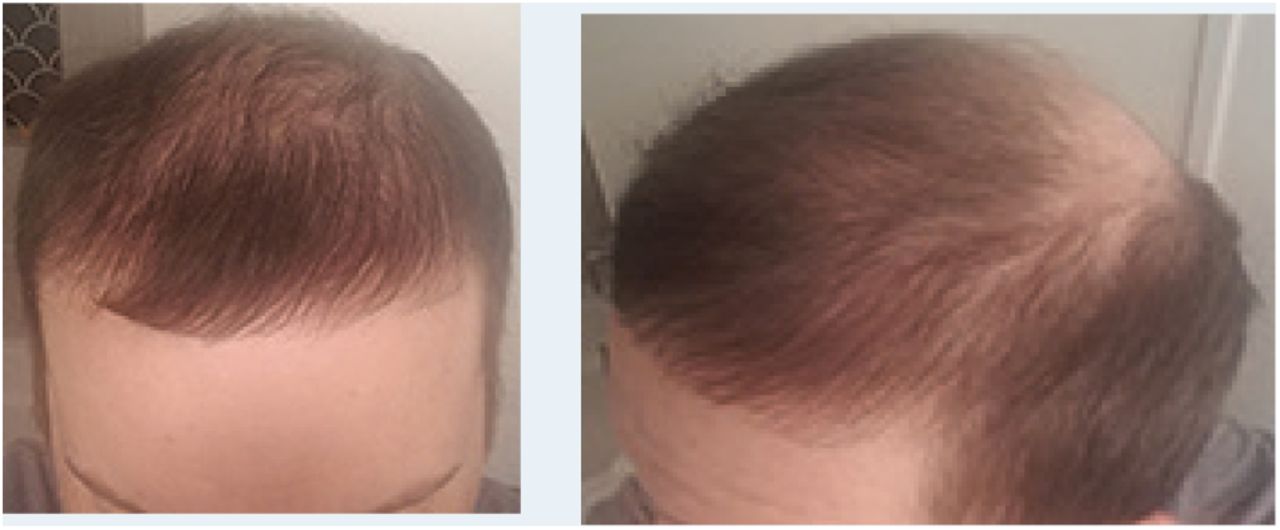
The types of hair loss from the above list that are most likely impacted by vitamin D are androgenetic alopecia and alopecia areata. This points to a lack of vitamin D definitely having a link with hair loss. However we’re not sure as to the nature of the association (i.e. whether vitamin D deficiency is a direct cause of hair loss), nor whether low vitamin D precedes alopecia or vice versa [1]. Just because you've experienced hair loss doesn't necessarily mean you're low in vitamin D. With that in mind, we spoke with top dermatologists Michele Green, MD, and Scott Paviol, MD, about everything there is to know about vitamin D-related hair loss.

All of these 18 patients had underlying causes of biotin deficiency and, once treated with biotin supplement, showed clinical improvement in a variable time period [35]. As a general rule, consuming too much or over-supplementing vitamin A can cause hair loss [15, 16]. Typically, fat-soluble vitamin A is stored in the liver where its dispersal is tightly regulated by anabolic and catabolic reactions between the inactive and active metabolite. When levels of vitamin A are too high, the capacity of the transport system is exceeded and vitamin A spills over into the circulation [17].
Importance of Getting Tested for a Deficiency
Supplementation may be warranted in cases of significant deficiency, as determined through serum levels of vitamin analysis. To effectively elevate vitamin D levels, individuals can engage in regular sun exposure, consume fortified foods, and consider supplementation under medical guidance. However, geographical location, skin pigmentation, and lifestyle can limit UV exposure. It is not standard medical practice to screen symptomless people for vitamin D deficiency.
Role of vitamin D in hair loss: A short review
Vitamin B12 deficiency manifests through various clinical symptoms, including neurological disturbances, hematological abnormalities, and cognitive impairments. Patients may experience peripheral neuropathy characterized by numbness, tingling, and altered sensations in extremities, indicative of nerve damage. Supplementation may be advisable under medical guidance for individuals unable to meet their dietary requirements through food alone. Dermatological symptoms may present as seborrheic dermatitis, characterized by scaly, itchy rashes on the scalp, face, and perioral area. Neurologically, the deficiency impacts the synthesis of key neurotransmitters such as serotonin and GABA, leading to mood disturbances, irritability, and cognitive dysfunction.
Can too much vitamin D lead to hair loss? - Houston Chronicle
Can too much vitamin D lead to hair loss?.
Posted: Wed, 27 Apr 2022 07:00:00 GMT [source]
There are also a few health conditions and medicines that make it harder for your body to produce vitamin D. Vitamin D regulates many aspects of the hair growth cycle, promotes hair follicle health, and modulates sebaceous gland functions. Lack of adequate vitamin D can lead to disrupted hair follicle regeneration, thinning of hair, and excessive shedding. While there are some dietary sources of vitamin D, including fatty fish, egg yolks, and organ meats, these foods typically contain only minimal amounts and won’t support a healthy vitamin D status.
Given the state of our modern world—where working indoors and eating a highly processed diet is the norm—it's no surprise that an estimated 1 billion people worldwide are deficient in vitamin D. Not only is this bad news for your strands, but lacking in this nutrient can also weaken your bones, increase your risk of infection, and cause an array of other medical issues. Most people lose up to 100 hairs on any given day without noticing, because new hairs are growing in at the same time.
While we most often suffer from nutrients deficiency, too much of a vitamin can cause hair loss too. To avoid the problem, maintain a balanced diet, consult your doctor regarding taking the vitamins and minerals for hair and carefully follow the dosage prescriptions. It reduces harm done by free radicals and protects the body cells including hair and scalp cells from their negative influence. Vitamin E prevents hair loss, improves scalp circulation, and creates a protective barrier on the scalp. Another possibility is that you're not consuming enough B12 in your diet, which can lead to a deficiency.
While you might consider eating more foods containing vitamin D and getting more sunlight, your healthcare provider will likely recommend taking vitamin D supplements. If you’ve had weight-loss surgery, it’s important to see your healthcare provider regularly so they can monitor your vitamin D levels and other nutrient levels. You’ll likely need to take vitamin D supplements and other supplements throughout your life. Vitamin D deficiency is a common vitamin deficiency that causes issues with your bones and muscles. It most commonly affects people over the age of 65 and people who have darker skin. In addition, vitamin D deficiency can increase the risk of autoimmune responses and lead to the development of alopecia areata, an autoimmune hair disorder characterized by partial or complete loss of body hair.
Resolving vitamin D deficiency is one of the steps I recommend as part of an overall self-help program to tackle hypothyroidism. Optimizing vitamin D has certainly been useful for many of my patients who have hypothyroid symptoms, including thinning hair. Increasing vitamin D levels is also a fairly simple thing to do for most people.
While getting a sufficient amount of vitamin D at any age is important, it is particularly vital for children and for adults as they age. Children who are deficient in vitamin D are at risk of developing rickets, which creates weak bones and possible deformities. And because bone mass declines as you get older, having enough is also vital to avoid bone-related diseases such as osteomalacia. If you suddenly feel that your hair is thinning greatly, or if you discover bald patches on your head, a visit to the doctor is in order.
However, hair loss has many causes, including hormonal changes, stress, and infection. If you’re experiencing hair loss, talk with your healthcare provider, who can help you address the causes of hair loss and develop a treatment plan that will work for you. Researchers have called for more double-blind placebo studies to examine the role of vitamin and mineral intake on hair loss. To understand how vitamin D influences hair growth, let's take a closer look at the hair follicles - those tiny yet mighty structures under your scalp. The variety of symptoms reflects vitamin D's diverse roles in processes like immune regulation, brain function, and hormone production. At The Independent Pharmacy, we understand how concerning these symptoms can be.



No comments:
Post a Comment